What is Harðfiskur? The Complete Guide to Iceland's Original Protein Snack
Long before protein bars, beef jerky, or whey shakes existed, Icelanders had harðfiskur. This wind-dried fish has been a staple for over a millennium.
What Exactly is Harðfiskur?
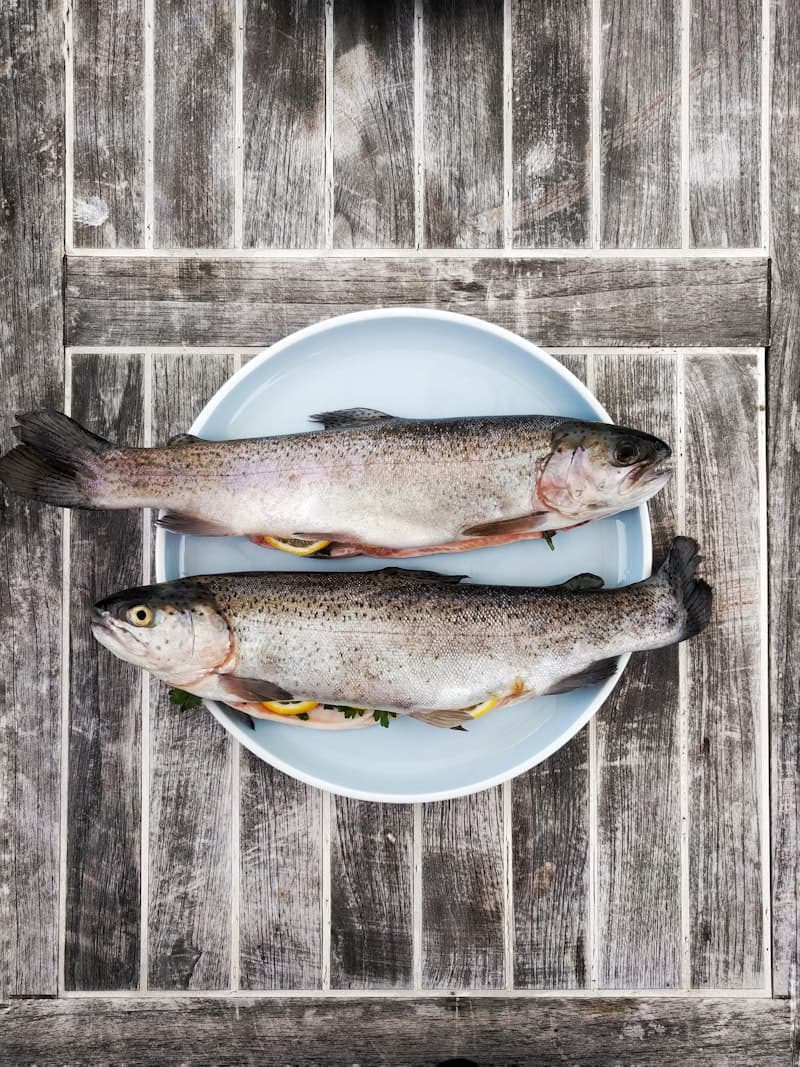
Harðfiskur translates to "hard fish." The preparation involves hanging whole fish fillets on outdoor wooden drying racks called hjallur. The cold Icelandic wind removes moisture over weeks or months without any heat application, salt addition, or chemical processing.
The result is a firm, lightweight fillet that tears into strips and requires no cooking. The drying process concentrates the fish's natural flavours and nutrients, creating something that tastes nothing like the fresh fish.
Historical Significance
Settlement records indicate harðfiskur production began around 874 AD. In an environment without grain crops, extensive livestock, or refrigeration, preserved fish meant survival. Vikings transported it across oceans. For centuries, dried fish functioned as currency in Icelandic commerce.
Nutritional Profile
Per 100 grams: - Protein: 80–85g - Fat: Less than 1g - Carbohydrates: 0g - Approximately 340 calories - Rich in Vitamin B12, selenium, phosphorus, and omega-3 fatty acids - Single ingredient: fish only
This exceeds typical protein bar offerings that combine 20–30g protein with 15–30g sugar and multiple additives.
How to Eat Harðfiskur
The traditional Icelandic method: 1. Tear the fillet into thin strips along the grain 2. Spread generously with Icelandic butter 3. Consume slowly, allowing flavor development
Modern applications include salad toppings, cheese board components, and rye bread sandwiches. Start with butter — it smooths out the texture and adds richness. Thin strips prove easier than large chunks.
Storage
Store in dry conditions. Shelf life is three to six months at room temperature without refrigeration.